Pediatric OT
Childhood occupations include: playing, learning, following daily routines, and connecting with others.
Some children are limited by:
Developmental delay
Poor coordination
Difficulty with transitions
Frequent meltdowns
Inflexibility with new ideas
Challenging behaviors
Communication delays
Participation in occupational therapy at Creative Beginnings can support the following areas:
Completing self-care tasks independently and/or with greater ease (ex. dressing, toileting, grooming)
Wearing a variety of clothing
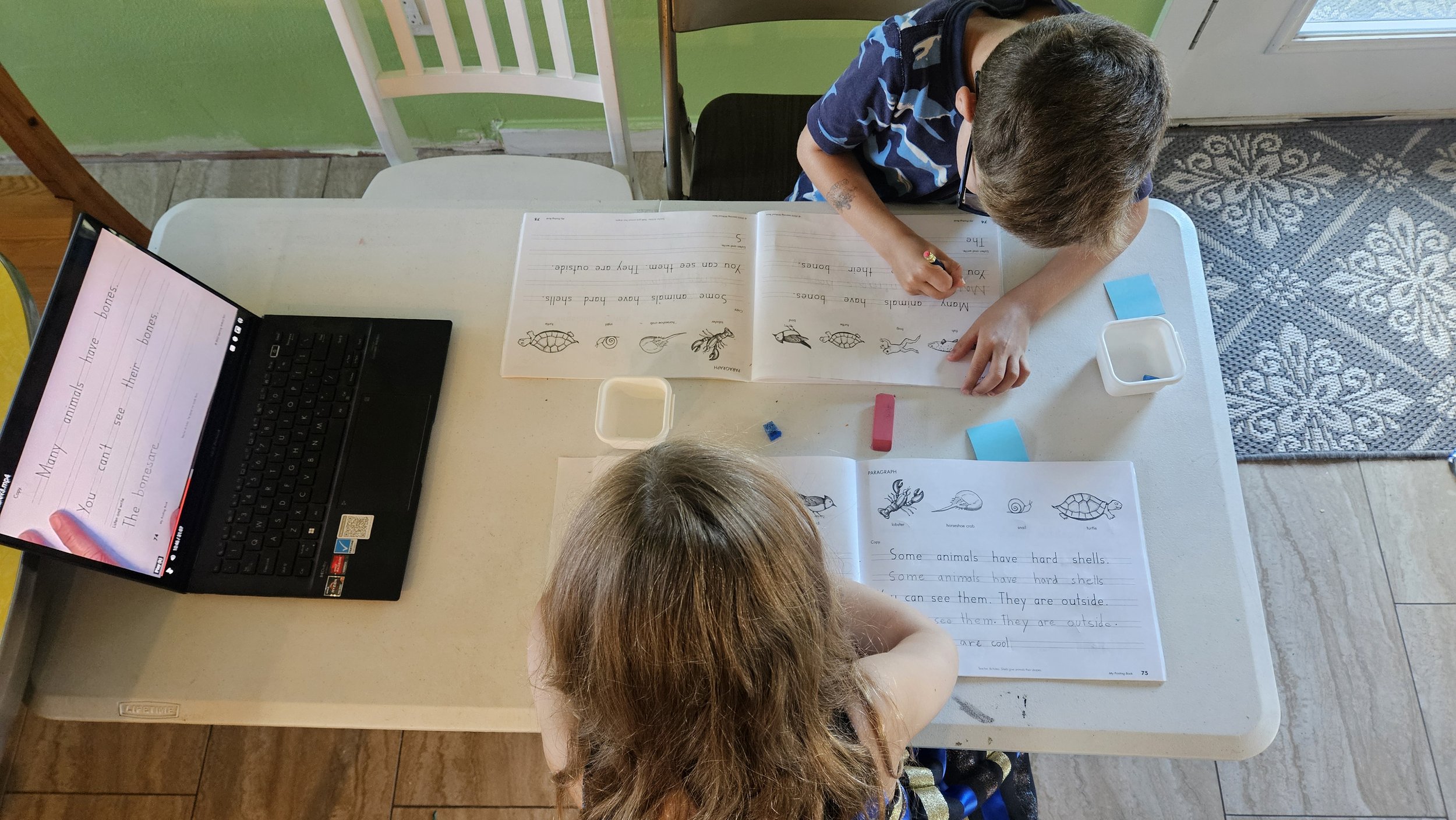
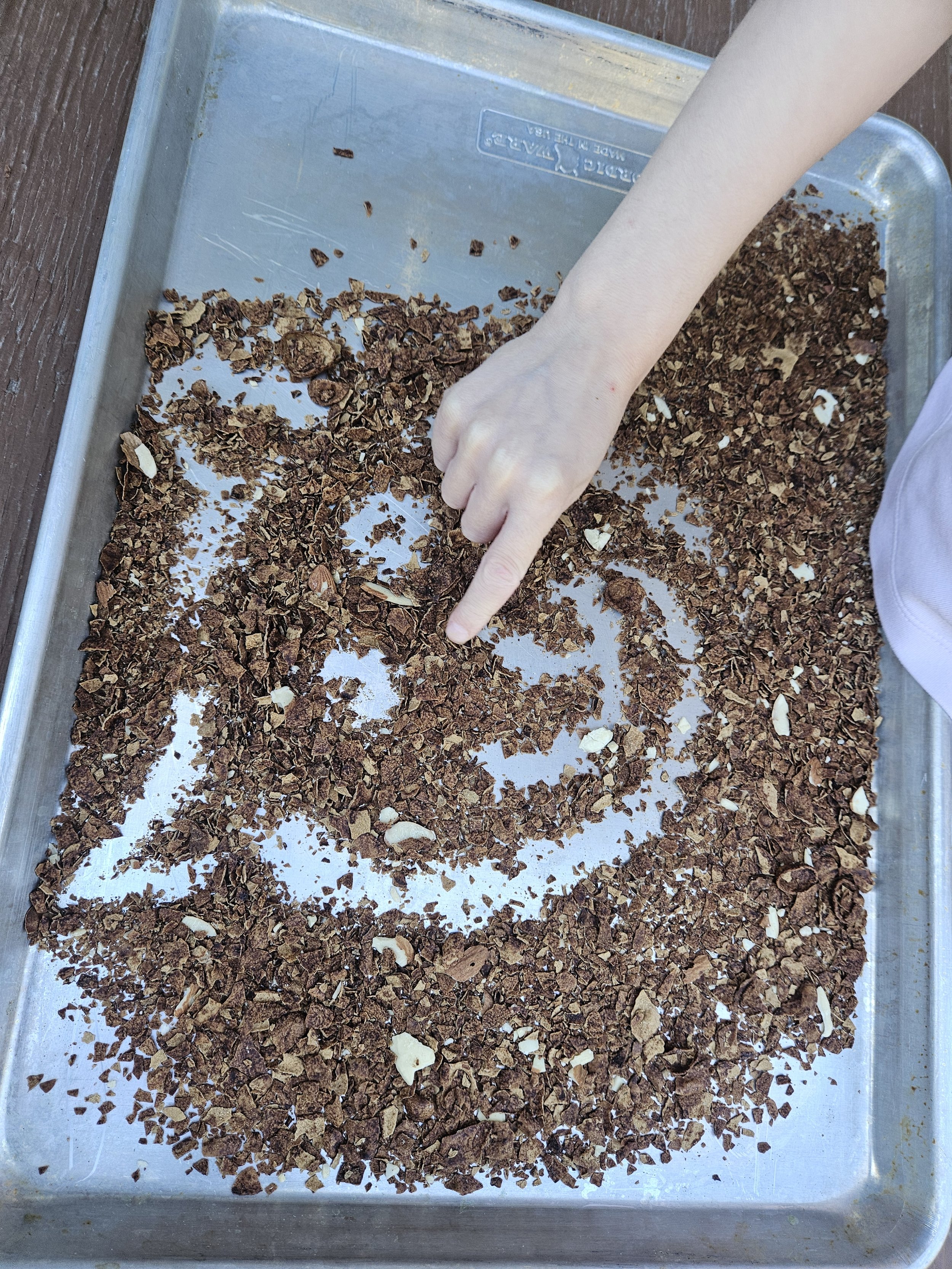
Participating in handwriting and other fine motor tasks
Moving through space with improved coordination and safety
Exploring and engaging in sensory-rich environments, such as a birthday party or playground
Playing independently and playing with peers
Paying attention and organizing themselves for home and school-based activities
Regulating emotions throughout transitions or daily routines
Building self-esteem and self-concept
We provide comprehensive OT evaluations to identify, treat and prevent limitations related to gross motor, fine motor, sensory processing, self-care, self-regulation, and health/wellness.
Specialty services we offer include:
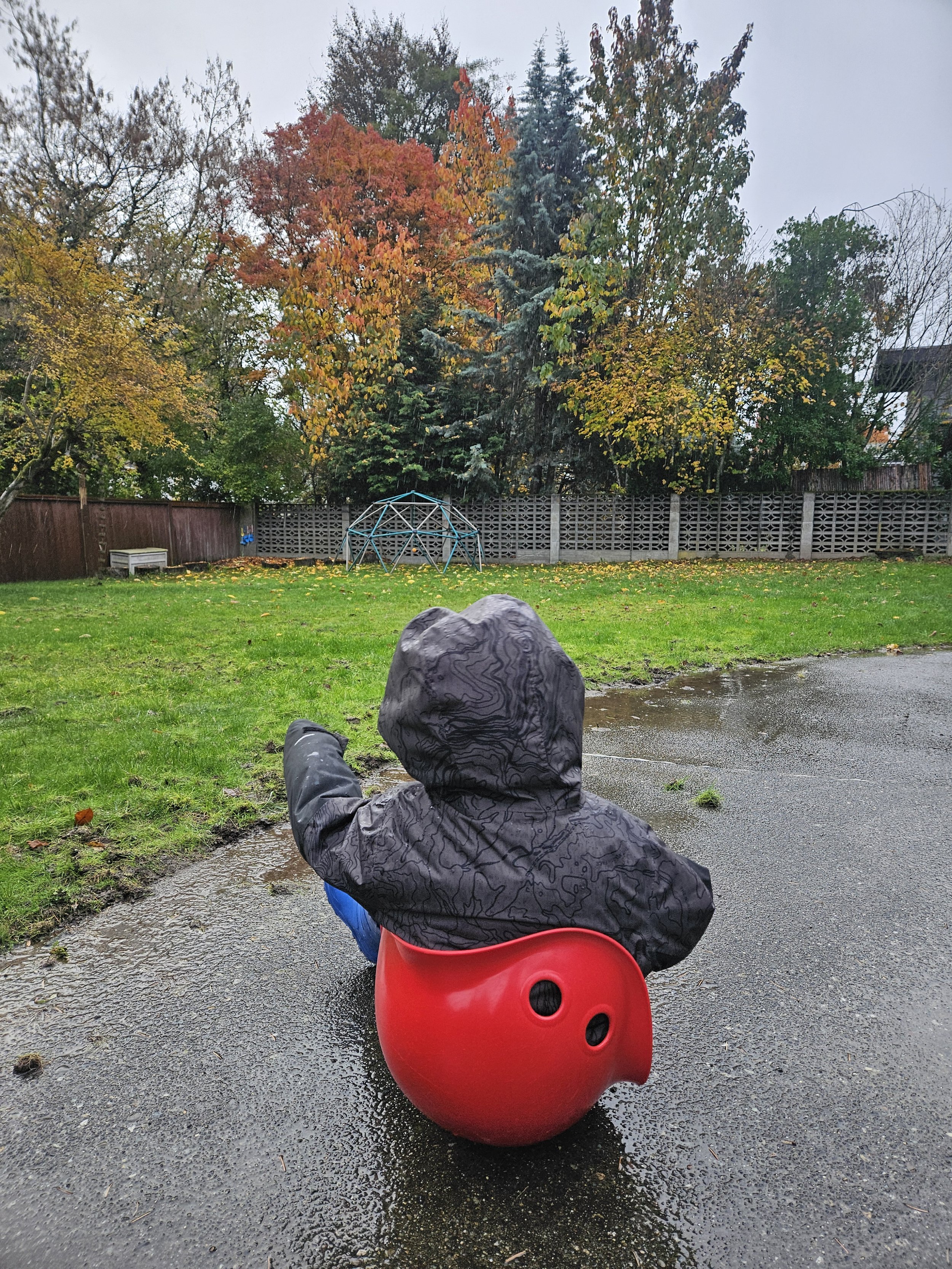
Nature based Occupational Therapy
Ayres Sensory Integration
Handwriting without Tears
Kelly Mahler's Interoception Curriculum
Reflex Integration
360 Thinking Cognitive Connections approach to executive functioning
Harkla’s approach for Improving Sensory Strategies That Work for All Students
Harkla’s approach to A Multi-Sensory Program for Learning and Focus
Adaptive Technology recommendations
Gender-affirming care
Neurodivergent-affirming care
Addressing sibling rivalry and competitive natures
Collaborative & Proactive Solutions
Parent Coaching Model
Trauma Informed Care
Resources
Pediatric - Ages 2-6
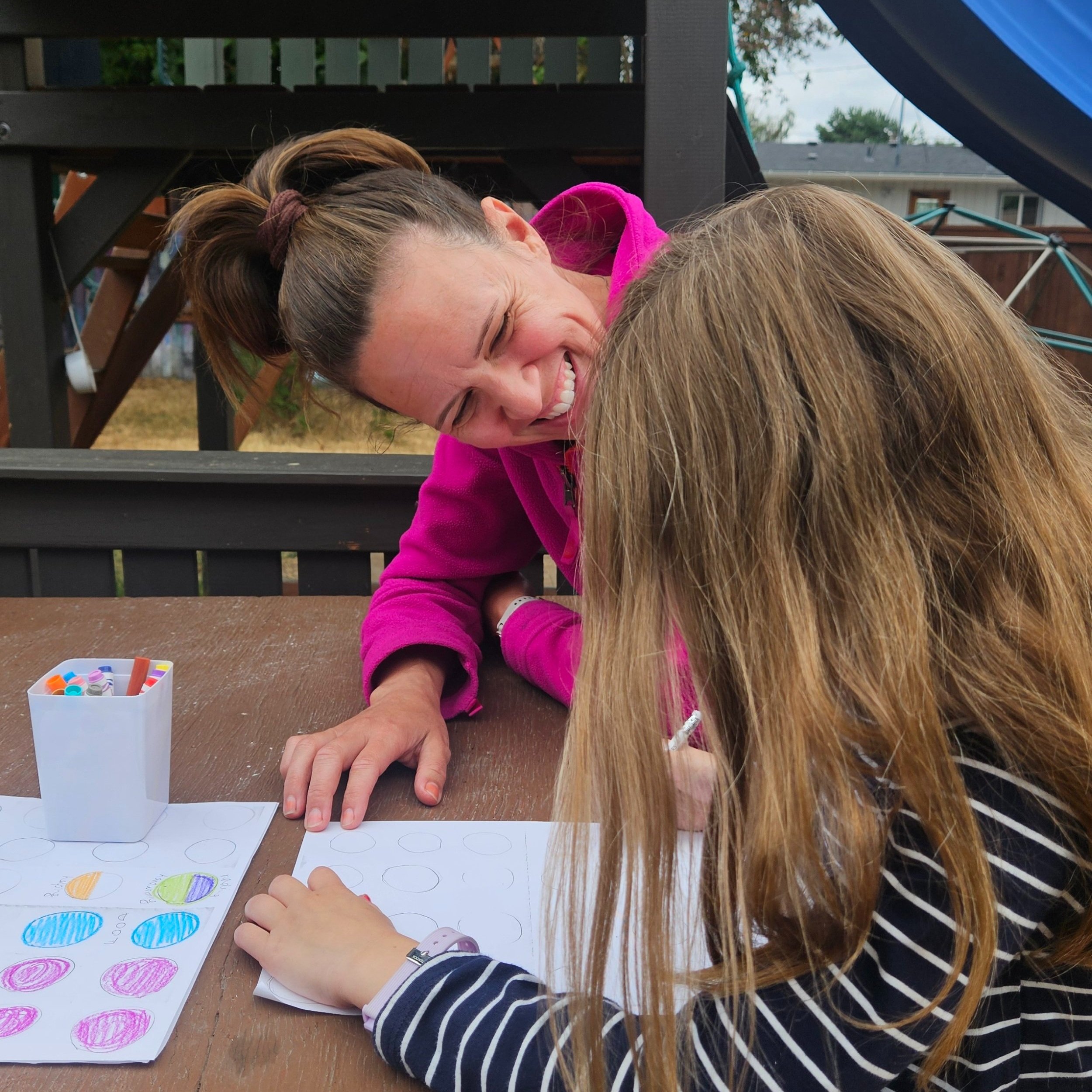
Something I encourage for my OT clients that can be useful for both kids and adults alike is task tracking. This worksheet can be used for all kinds of things, from therapy skills like crawling and closed mouth breathing during 5 minutes of reading to cleaning habits like emptying the trash or practicing the piano, etc.
NEW offering
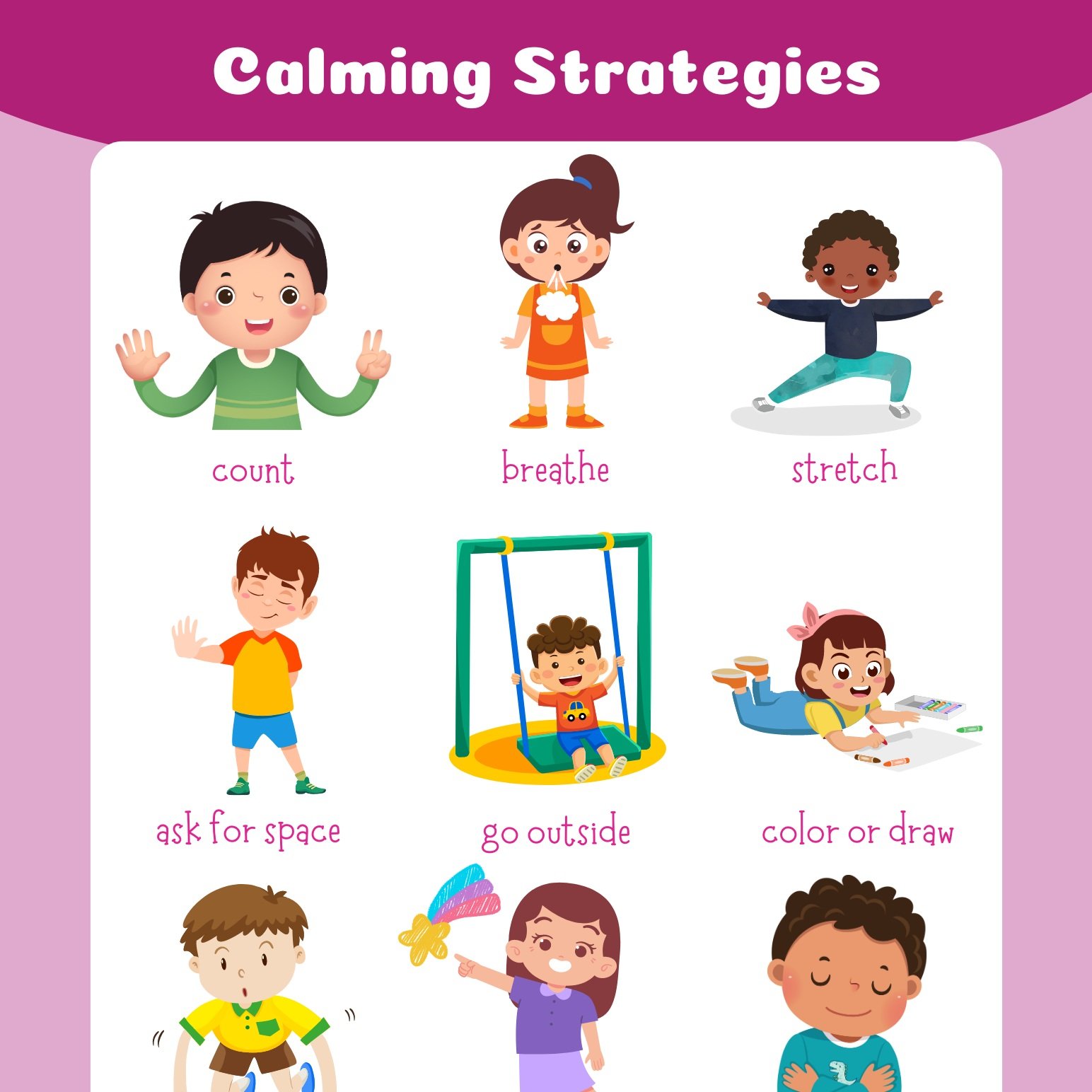
Free Calming Strategies for School on-demand pdf.
Share it between home and the classroom to provide independent strategies for your child!
Educators can post it in your calming corner in the classroom for quick reference for students to find their reset.
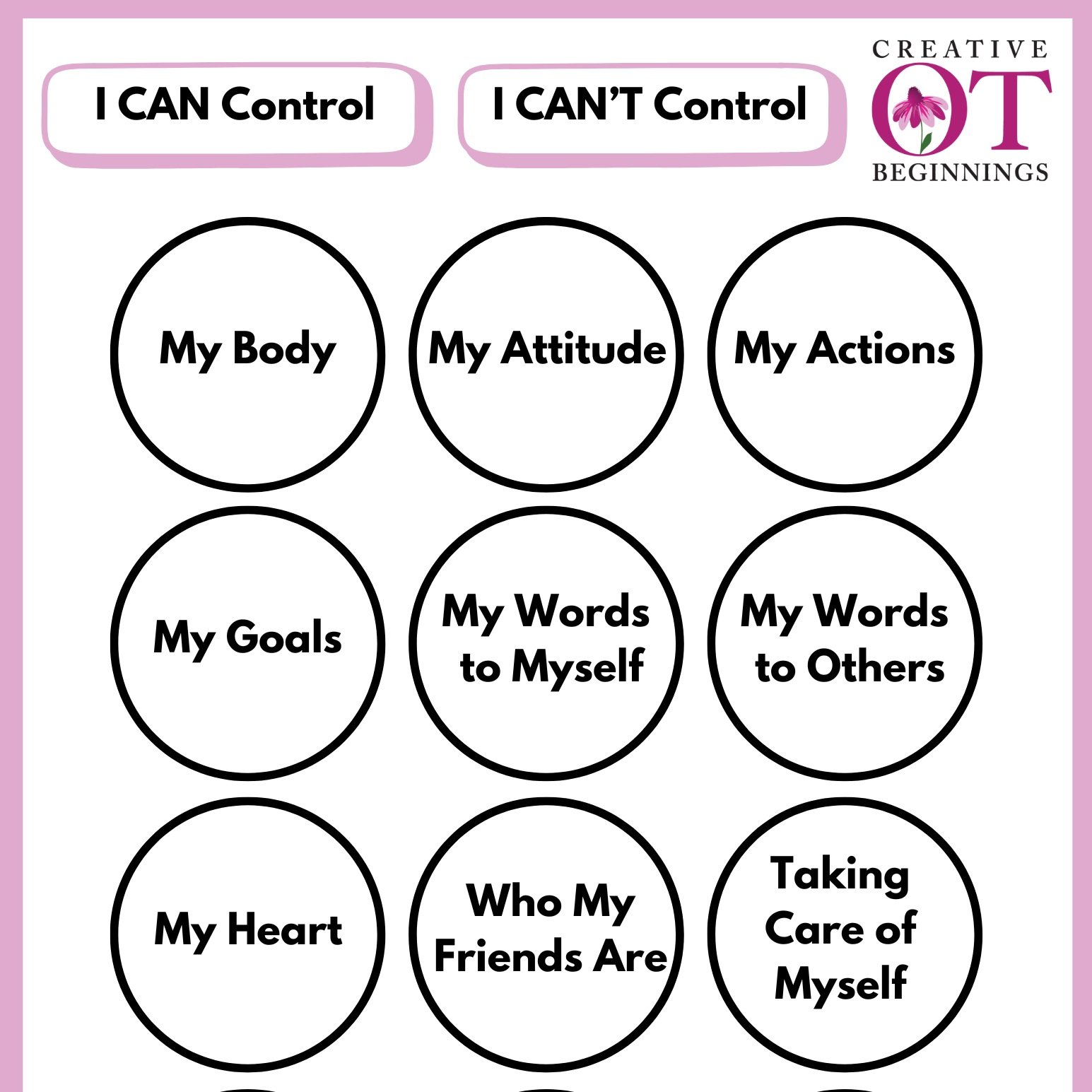
When we're feeling anxious about world or life events, it can help to focus on "circles of control" - which things in life we can control, and which things we can't.
How to build a circle of control?
Print and cut out the headings and circles on page 1 of this document.
Draw a circle inside a circle on a large piece of paper
Label the outer circle “I CAN’T Control”
Label the inner circle “I CAN Control”
Paste the circles from page 1 in the inner circle
Write down areas you don’t have control of inside the outer circle. For example: the weather.
Reflect on the inner circle and use calming strategies to cope with things that are out of your control.
If you need suggestions on calming strategies, check out Calming Strategies for Preschoolers, School Age, or Adults.
Some of the difficulties your child may be experiencing, like poor impulse control, bed wetting after age 5, handwriting difficulties or trouble throwing a ball, may be signs of retained primitive reflexes. To see if they need formal reflex testing, download this 2- page printable checklist. Creative Beginnings OT offers reflex screening as apart of the comprehensive pediatric evaluation - book a free meet OTKellyB consultation or evaluation regarding your child for more information. Book Now: LINK
This learning tool helps grownups and children share an understanding for time. With commitments for everyone on the rise, you can visualize your day and plan more accurately.
Each circle in this worksheet represents an hour of the day.
Print copies and spend time as a family filling in the hours of the day to reflect the way you spend your time.
Let's get talking about the way you spend your time!
All areas of occupation apply such as sleep, school, work, meal prep, eating, watching tv, sports, getting ready for bed, out of school learning and more. Everyone's 24 hours will look different.
The charting activity can be especially beneficial for:
When kids want to add in more activities, this process can help caregivers express the importance for free time and rest time to be build into the routine.
When kids are resisting doing something like chores or homework, this process can help caregivers illustrate how long those tasks actually take.
When each family member has completed their time circles, you can reflect on if the time spent on tasks matches your values, hopes and plans for your future self. If not, then where can reasonable adjustments occur?
This calming strategies download includes insights from OTKellyB for guiding children with tips for each graphic.
This course explores how primitive reflexes might affect someone's sensory system and ability to process their environment. Difficulty with ball games, poor impulse control, or frequent fidgeting may actually be reflexes impacting function.
Prompting is a cue or signal provided to guide and assist a child with performing a specific skill or behavior.
One way to think about this assist is thinking of it as a “clue” or a “hint” to help the student or patient achieve a task.
Watch this free video to learn how to use pictures to give your child easy nonverbal instructions at home.
Up to 4 family members complete an online 60 item questionnaire regarding their sensory preferences in relation to the 8 sensory systems.
Learn about your child(ren)'s developmental and sensory needs
More deeply understand your kid's and partner’s experience in the world
How are the sensory needs of your family members overlapping?
How are the sensory needs of your family influencing relationships?
Work together to build systems that support your everyday life
Understanding an individual’s sensory profile will improve their ability to engage in daily activities
Learn OT tips for self-regulation and sensory needs for the whole family based on this new understanding during a 30 minute discussion with OTKellyB
Based on the work by Winnie Dunn, OTR/L and Pearson Assessments.
Pediatric - Elementary
Complete a digital questionnaire to share sensory preferences with a licensed OT who will look for patterns and analyze your 8 sensory systems.
Learn about your child(ren)'s developmental and sensory needs
More deeply understand your kid's and partner’s experience in the world
How are the sensory needs of your family members overlapping?
How are the sensory needs of your family influencing relationships?
Work together to build systems that support your everyday life
Understanding an individual’s sensory profile will improve their ability to engage in daily activities
Learn OT tips for self-regulation and sensory needs for the whole family based on this new understanding during a 30 minute discussion with OTKellyB
Based on the work by Winnie Dunn, OTR/L and Pearson Assessments.
Schedule screening at this link: https://creativebeginningsot.clientsecure.me/
Visit the Creative Beginnings clinic for a 30 minute in-person handwriting proficiency screen with an OT. The screen can be for print or cursive.
The screen evaluates several core handwriting components:
Letter formation: Accuracy and consistency in forming both uppercase and lowercase letters.
Spacing: Proper spacing between letters and words.
Size and alignment: Whether letters are appropriately sized and aligned on the writing lines.
Writing fluency: Speed and ease of writing, especially in cursive.
Legibility: Overall readability of the handwriting sample.
The screen includes a written report for areas of recommended corrective instruction within 7 business days. This service does not obligate you to any future services with Creative Beginnings.
Schedule screening at this link: https://creativebeginningsot.clientsecure.me/
Something I encourage for my OT clients that can be useful for both kids and adults alike is task tracking. This worksheet can be used for all kinds of things, from therapy skills like crawling and closed mouth breathing during 5 minutes of reading to cleaning habits like emptying the trash or practicing the piano, etc.
*$250 value available now for $40
Course will guide you to learn:
What is executive functioning?
How occupational therapy relates to executive functioning
Learning differences, including attention span, neurodivergence, and how electronics have influenced the developing brain
Strategies for developing your child's executive functioning
This course provides concrete examples of low cost, actionable steps you could implement immediately to help with time blindness, transitions, emotional dysregulation, and addressing the executive function developmental deficit related to ASD, ADHD, anxiety and perfectionism.
After purchasing this item, you will receive an email with a link to the video for this course.
NEW offering
Free Calming Strategies for School on-demand pdf.
Share it between home and the classroom to provide independent strategies for your child!
Educators can post it in your calming corner in the classroom for quick reference for students to find their reset.
When we're feeling anxious about world or life events, it can help to focus on "circles of control" - which things in life we can control, and which things we can't.
How to build a circle of control?
Print and cut out the headings and circles on page 1 of this document.
Draw a circle inside a circle on a large piece of paper
Label the outer circle “I CAN’T Control”
Label the inner circle “I CAN Control”
Paste the circles from page 1 in the inner circle
Write down areas you don’t have control of inside the outer circle. For example: the weather.
Reflect on the inner circle and use calming strategies to cope with things that are out of your control.
If you need suggestions on calming strategies, check out Calming Strategies for Preschoolers, School Age, or Adults.
Some of the difficulties your child may be experiencing, like poor impulse control, bed wetting after age 5, handwriting difficulties or trouble throwing a ball, may be signs of retained primitive reflexes. To see if they need formal reflex testing, download this 2- page printable checklist. Creative Beginnings OT offers reflex screening as apart of the comprehensive pediatric evaluation - book a free meet OTKellyB consultation or evaluation regarding your child for more information. Book Now: LINK
This learning tool helps grownups and children share an understanding for time. With commitments for everyone on the rise, you can visualize your day and plan more accurately.
Each circle in this worksheet represents an hour of the day.
Print copies and spend time as a family filling in the hours of the day to reflect the way you spend your time.
Let's get talking about the way you spend your time!
All areas of occupation apply such as sleep, school, work, meal prep, eating, watching tv, sports, getting ready for bed, out of school learning and more. Everyone's 24 hours will look different.
The charting activity can be especially beneficial for:
When kids want to add in more activities, this process can help caregivers express the importance for free time and rest time to be build into the routine.
When kids are resisting doing something like chores or homework, this process can help caregivers illustrate how long those tasks actually take.
When each family member has completed their time circles, you can reflect on if the time spent on tasks matches your values, hopes and plans for your future self. If not, then where can reasonable adjustments occur?
This calming strategies download includes insights from OTKellyB for guiding children with tips for each graphic.
This course explores how primitive reflexes might affect someone's sensory system and ability to process their environment. Difficulty with ball games, poor impulse control, or frequent fidgeting may actually be reflexes impacting function.
Up to 4 family members complete an online 60 item questionnaire regarding their sensory preferences in relation to the 8 sensory systems.
Learn about your child(ren)'s developmental and sensory needs
More deeply understand your kid's and partner’s experience in the world
How are the sensory needs of your family members overlapping?
How are the sensory needs of your family influencing relationships?
Work together to build systems that support your everyday life
Understanding an individual’s sensory profile will improve their ability to engage in daily activities
Learn OT tips for self-regulation and sensory needs for the whole family based on this new understanding during a 30 minute discussion with OTKellyB
Based on the work by Winnie Dunn, OTR/L and Pearson Assessments.

Complete a digital questionnaire to share sensory preferences with a licensed OT who will look for patterns and analyze your 8 sensory systems.
Learn about your child(ren)'s developmental and sensory needs
More deeply understand your kid's and partner’s experience in the world
How are the sensory needs of your family members overlapping?
How are the sensory needs of your family influencing relationships?
Work together to build systems that support your everyday life
Understanding an individual’s sensory profile will improve their ability to engage in daily activities
Learn OT tips for self-regulation and sensory needs for the whole family based on this new understanding during a 30 minute discussion with OTKellyB
Based on the work by Winnie Dunn, OTR/L and Pearson Assessments.